
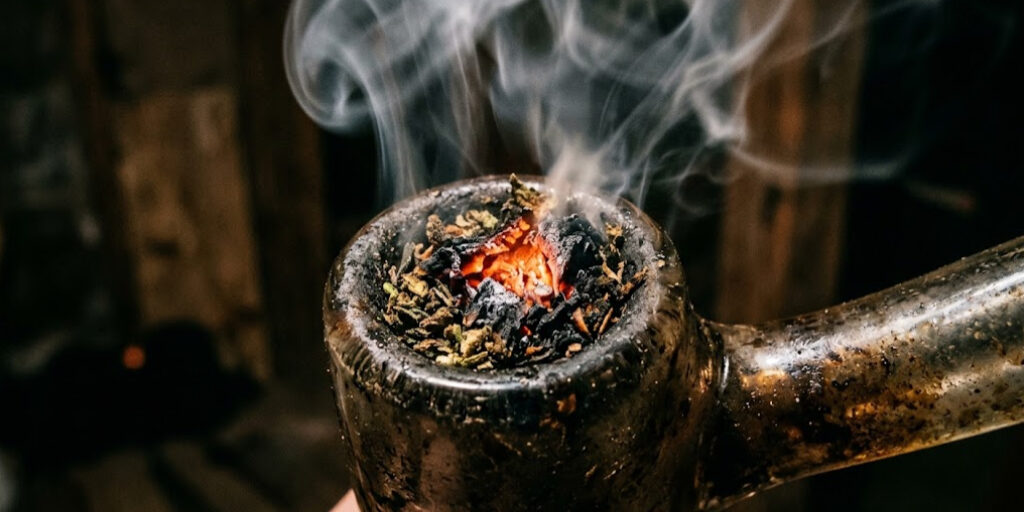
Few things are more disappointing than opening a fresh jar of cannabis, grinding it up, and discovering that it tastes harsh, grassy, chemical, or burns unevenly. A smooth, flavourful experience is one of the main reasons people choose quality flower, so understanding why some cannabis feels rough can help you make better choices and get more enjoyment from your purchase.
Harsh taste and burn are rarely caused by a single factor. They usually result from issues during growing, drying, curing, storage, or even how the flower is consumed. In this guide, we’ll break down the most common causes and explain what each one typically tastes or feels like.
1. Incomplete Drying and Curing (The Most Common Culprit)
 The number one reason cannabis tastes harsh is improper drying and curing after harvest. Freshly harvested cannabis contains chlorophyll—the green pigment that allows plants to photosynthesize. While essential for the living plant, residual chlorophyll produces a bitter, grassy, hay-like, or “green” flavour when smoked or vaporized.
During a proper dry and cure, enzymes gradually break down chlorophyll and other plant compounds. This process smooths out the smoke and allows the true terpene profile to shine. When drying is rushed (for example, with high heat or strong airflow) or curing is cut short, chlorophyll remains locked in the flower. The result is often sharp, papery, or cigarette-like harshness and darker ash.
Well-cured cannabis typically burns more evenly and delivers clearer flavour. Licensed Canadian producers follow regulated post-harvest processes, but variations in technique still influence the final smoothness. Harvest timing also plays a supporting role—see our article on how harvest timing affects flavour and potency for related details.
2. Excess Residual Nutrients
Cannabis plants absorb nutrients throughout their life cycle. If growers apply heavy nutrient feeds late in flowering and do not allow the plant to use up remaining minerals, residual salts can remain in the flower. When combusted, these compounds can produce a sharp, metallic, chemical, or acrid taste and contribute to harsher smoke.
Many cultivators reduce or stop nutrient feeding near the end of the cycle (sometimes called “flushing”) to encourage the plant to use stored reserves. While the exact impact of flushing is debated in some research, excess mineral content is widely recognized as a contributor to unpleasant flavour and burn characteristics.
Flower grown with careful nutrient management and proper finishing generally produces cleaner-tasting smoke. Growing method can influence this as well—compare approaches in our guide to indoor vs. outdoor grown cannabis.
3. Overly Dry Flower
 Cannabis that has lost too much moisture burns hotter and faster. When flower becomes overly dry and brittle, terpenes evaporate more readily and the smoke can feel scratchy or harsh on the throat. Dry buds also tend to produce a quicker, less flavourful experience because the aromatic compounds degrade or burn off rapidly.
Ideal moisture content allows for a steady burn and better preservation of flavour. Proper storage is essential for maintaining this balance. Temperature and humidity after packaging strongly influence how well flower holds up over time. Learn more in our posts on how temperature affects your cannabis experience and cannabis shelf life.
4. Age and Degradation
Even well-cured cannabis changes over time. Terpenes are volatile and gradually fade or transform when exposed to air, light, heat, or fluctuating humidity. Older flower often develops a flatter, duller, or harsher character as the bright aromatic compounds diminish and remaining plant material becomes more dominant in the flavour profile.
Freshness matters. Checking packaging or harvest dates (when available) and storing cannabis properly can help preserve smoothness and taste for longer.
5. Residual Pesticides, Sprays, or Contaminants
In rare cases, residual pesticides, fungicides, or foliar sprays can contribute to chemical, bitter, or off-putting flavours. Even some organic products, such as certain oils used for pest management, can leave noticeable tastes if not fully cleared before harvest.
One of the major advantages of purchasing from a licensed Canadian retailer is mandatory testing. Products must meet strict standards for contaminants before they reach store shelves. This significantly reduces the risk of harmful residues compared with unregulated sources. Still, subtle flavour impacts can occasionally occur depending on cultivation practices.
6. Mold, Bacteria, or Poor Storage Conditions
 If cannabis was dried or cured in conditions that were too humid, or if it was stored improperly afterward, microbial activity can develop. This may produce musty, ammonia-like, or otherwise unpleasant aromas and tastes. In severe cases, visible mold may appear, but some issues are not always obvious to the naked eye.
Proper drying, curing, and packaging help prevent these problems. Modern packaging innovations also play a role in protecting flower quality after it leaves the producer—see our article on cannabis packaging innovations.
7. Genetics and Strain Characteristics
Not all harshness comes from processing errors. Some cultivars naturally produce stronger, more pungent, or slightly more irritating smoke due to their terpene and compound profiles. Certain “gassy,” diesel, or highly resinous varieties can feel more intense on the throat even when perfectly grown and cured.
Individual sensitivity also varies. What feels smooth to one person may feel stronger to another. Exploring different genetics and understanding plant structure can help—our guide to the anatomy of a cannabis plant provides useful background.
8. Consumption Method and Equipment
Sometimes the flower itself is fine, but the way it is consumed creates harshness. Dirty pipes, bongs, or vaporizers with built-up residue can add burnt or bitter flavours. Overpacking a bowl or joint, using a flame that is too close or too prolonged, or taking extremely large hits can also increase throat irritation.
Clean equipment, moderate temperatures (especially when vaporizing), and steady, controlled draws often improve the experience significantly.
How to Identify the Likely Cause
- Grassy, hay-like, or bright green taste → Often incomplete curing or residual chlorophyll.
- Chemical, metallic, or acrid flavour → Possible residual nutrients or sprays.
- Hot, scratchy, fast-burning smoke → Flower may be too dry.
- Flat, stale, or muted flavour with harshness → Age or poor storage.
- Musty or off aromas → Potential microbial issues or storage problems.
Ash colour is sometimes discussed as an indicator, but it is influenced by many variables including moisture, packing density, and combustion conditions. Light grey or white ash can suggest cleaner combustion, but it is not a definitive measure of quality on its own.
What Consumers Can Do
When shopping at a licensed retailer, you benefit from regulated testing and quality controls. Still, you can improve your experience by:
- Checking packaging dates and storing flower in a cool, dark place with stable humidity.
- Using clean devices and avoiding overly hot combustion.
- Trying different batches or producers if one particular product feels consistently harsh.
- Paying attention to aroma—well-cured flower usually has a distinct, appealing scent rather than a flat or grassy one.
Understanding these factors also highlights the skill involved in commercial cannabis production. From careful nutrient management and harvest decisions through patient drying and curing, many steps influence the final smoothness you experience.
Final Thoughts
Harsh-tasting or harsh-burning cannabis is most often the result of incomplete curing (residual chlorophyll), excess nutrients, overly dry conditions, age, or less commonly contaminants or genetics. While some of these issues originate during cultivation and processing, proper storage and clean consumption habits also play important roles.
The Canadian legal market’s testing requirements provide a strong foundation for safety and consistency. By learning to recognize the signs of well-processed flower and storing it carefully, you can significantly improve the flavour and smoothness of your experience.
Next time you notice harshness, consider the possible causes outlined above. In many cases, switching to a fresher, better-cured batch or adjusting how you store and consume your cannabis makes a noticeable difference.
**This page is intended only for individuals who are of legal age to purchase cannabis in their jurisdiction, and is for informational and educational purposes only. It is not intended to encourage cannabis consumption. No medical or health claims are made. Cannabis should not be used by persons who are pregnant or breastfeeding and may impair concentration, coordination, and reaction time. Do not drive or operate machinery after consumption. Always store cannabis securely**