

Ethanol extraction is one of the established methods used to separate cannabinoids and other compounds from cannabis plant material. As Canada’s legal cannabis industry has developed, extraction technology has become an important part of producing oils, concentrates, and other cannabis products.
Unlike solventless methods such as rosin pressing, ethanol extraction uses ethyl alcohol as an extraction solvent. The process is performed by licensed cannabis processors using specialized equipment, controlled manufacturing environments, and quality-assurance procedures.
In this guide, we’ll explore what ethanol extraction means, why ethanol is used, how it compares with other extraction categories, and where ethanol-extracted cannabis fits into Canada’s regulated cannabis market.
What Is Ethanol Extraction?
Ethanol extraction is a method of separating compounds from cannabis using ethyl alcohol, commonly called ethanol. Ethanol can interact with a range of compounds in cannabis, allowing processors to produce an extract containing cannabinoids and other plant constituents.
Cannabis contains hundreds of chemical compounds, including cannabinoids and terpenes. Many of these compounds are concentrated within the plant’s trichomes.
Health Canada explains that cannabinoids are produced and stored in cannabis trichomes, which are small structures found primarily on the flowers and leaves of the plant.
For more information about cannabis chemistry, see What Is THCA?.
Why Is Ethanol Used?
 Ethanol is useful for extraction because it can dissolve and carry a range of compounds from plant material. This makes it a versatile solvent for commercial cannabis processing.
Health Canada’s information for cannabis licence applicants identifies ethanol as one example of a chemical extraction process used to extract phytocannabinoids such as THC and CBD from cannabis.
Licensed processors select extraction technologies based on factors such as the desired product, equipment, production requirements, and quality-control specifications.
Ethanol Extraction vs. Solventless Extraction
Not all cannabis concentrates are produced using solvents. Rosin, for example, is made using mechanical pressure and heat rather than a chemical extraction solvent.
| Extraction Category | General Approach |
|---|---|
| Ethanol extraction | Uses ethanol as an extraction solvent |
| CO2 extraction | Uses carbon dioxide in a controlled extraction process |
| Hydrocarbon extraction | Uses hydrocarbon solvents in regulated processing environments |
| Rosin pressing | Uses mechanical pressure and heat without an extraction solvent |
| Dry sift or hash | Uses physical separation of trichomes |
For a closer look at another extraction technology, read CO2 Cannabis Extraction.
What Compounds Are Extracted?
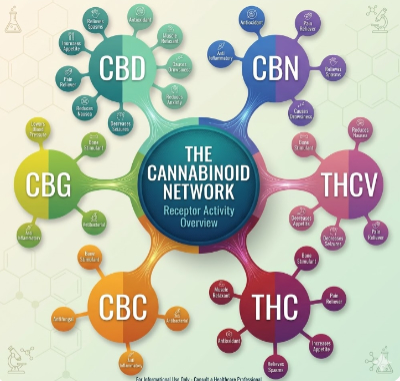 Cannabis contains a diverse collection of naturally occurring compounds. Cannabinoids such as THC and CBD are among the best-known, while terpenes contribute to the characteristic aromas and flavours associated with cannabis.
The composition of an extract depends on the starting material and the processing technology used.
Other cannabinoids can include CBG, CBC, CBN, and their acidic precursor forms.
Learn more about these compounds in What Are Minor Cannabinoids? (CBG, CBC & CBN).
The Importance of Post-Extraction Processing
Extraction is only one stage in the production of a cannabis extract. Commercial cannabis processing can involve additional purification, refinement, formulation, and quality-control stages depending on the intended product.
These stages can influence the final cannabinoid and terpene profile, colour, texture, and consistency of an extract.
For example, highly refined cannabis products may have a substantially different composition from extracts designed to retain a broader range of naturally occurring compounds.
Ethanol and Cannabis Tinctures
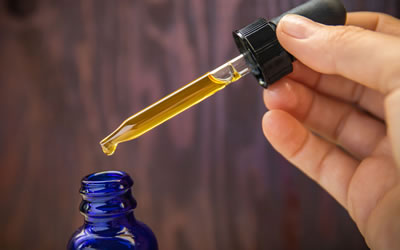 Ethanol has also historically been associated with cannabis tinctures. Health Canada describes tinctures and sprays as cannabis extracts that can be dissolved in a solvent, often alcohol.
Modern legal cannabis products are subject to specific requirements concerning ingredients, product classification, packaging, and labelling.
Our educational guide Cannabis Tinctures 101 explores tinctures in greater detail.
Is Ethanol Allowed in Canadian Cannabis Products?
Canadian regulations specifically address ethyl alcohol in cannabis extracts. Health Canada’s current guidance states that ethyl alcohol may be permitted in certain inhaled or ingested cannabis extracts, subject to specified requirements.
For example, the Cannabis Regulations establish limits relating to ethyl alcohol in certain cannabis extracts, including requirements based on the product’s intended method of consumption and container size.
These rules are part of Canada’s broader regulatory framework governing the composition and sale of cannabis products.
For current regulatory information, consult Health Canada’s Cannabis resources.
Why Residual Solvent Testing Matters
Because ethanol is used as a processing solvent, quality assurance is an important part of commercial extraction. Licensed processors must comply with applicable regulatory requirements and quality-control procedures.
Testing and manufacturing controls help ensure that finished cannabis products meet applicable standards before they reach the legal market.
For more information about testing, read How Cannabis Products Are Tested in Canada.
Ethanol Extraction and Cannabinoid Potency
Extraction can concentrate cannabinoids compared with their concentration in the original plant material. Consequently, cannabis extracts can have substantially different cannabinoid concentrations from dried flower.
This is one reason why understanding the numbers printed on cannabis packaging is important when comparing different product categories.
Read Understanding Cannabis Potency for a broader explanation of cannabis potency and cannabinoid measurements.
Ethanol Extraction and Terpenes
Terpenes are volatile compounds that contribute to cannabis aroma and flavour. Extraction and subsequent processing can affect the terpene composition of the final product.
Different extraction methods can therefore produce extracts with different aromatic profiles.
Temperature, processing conditions, storage, and packaging can also influence terpene preservation after extraction.
For more information, read How Temperature Affects Your Cannabis Experience.
Ethanol Extraction vs. CO2 Extraction
Both ethanol and carbon dioxide can be used as extraction technologies in commercial cannabis processing, but they are fundamentally different approaches.
Ethanol extraction uses ethyl alcohol as the solvent, whereas CO2 extraction uses carbon dioxide under controlled processing conditions.
The choice between extraction technologies depends on the processor’s equipment, desired product characteristics, production objectives, and quality-control requirements.
Neither method can simply be described as universally “better.” Each has different characteristics and applications within the cannabis industry.
How Extraction Fits Into Cannabis Product Categories
Extraction technology helps create many of the cannabis products available in Canada’s regulated market.
Examples of products associated with cannabis extraction include:
- Cannabis oils
- Cannabis extracts
- Some vape products
- Concentrates
- Ingredients used in certain cannabis products
Health Canada recognizes cannabis extracts as a distinct regulatory category and provides specific requirements governing their composition and use.
Learn more in Cannabis Product Categories Explained.
Packaging and Storage of Cannabis Extracts
Once an extract has been processed and formulated into a legal cannabis product, packaging becomes an important part of maintaining product quality.
Packaging can help protect cannabis extracts from environmental factors such as light, oxygen, heat, and moisture.
Read Cannabis Packaging Innovations to learn how packaging technology continues to evolve.
Why Ethanol Extraction Is Important
Ethanol extraction represents one part of the larger technological landscape behind Canada’s legal cannabis industry. Extraction technologies allow licensed processors to transform cannabis plant material into a variety of standardized products.
As cannabis processing continues to develop, producers are refining extraction, purification, formulation, and testing technologies to create increasingly diverse product categories.
Final Thoughts
Ethanol extraction is a commercial cannabis extraction method that uses ethyl alcohol to separate cannabinoids and other cannabis compounds from plant material. It is one of several extraction technologies used in the regulated cannabis industry, alongside CO2, hydrocarbon, and solventless processes.
Understanding how extraction works at a high level provides useful context for understanding cannabis concentrates, oils, tinctures, vape products, and other cannabis categories.
For more educational articles about cannabis extraction, cannabinoids, concentrates, testing, and product technology, visit the Grand Cannabis Cannabis Corner.
External Resources
- Health Canada – Cannabis
- Health Canada – Types of Cannabis and Industrial Hemp Licences
- Health Canada – Composition Requirements for Cannabis Products
- Justice Laws Website – Cannabis Regulations
Note: This article is intended as general educational information about regulated cannabis processing. It does not provide instructions for producing cannabis extracts. Cannabis products are regulated under Canadian law and should only be produced by appropriately licensed entities.
**This page is intended only for individuals who are of legal age to purchase cannabis in their jurisdiction, and is for informational and educational purposes only. It is not intended to encourage cannabis consumption. No medical or health claims are made. Cannabis should not be used by persons who are pregnant or breastfeeding and may impair concentration, coordination, and reaction time. Do not drive or operate machinery after consumption. Always store cannabis securely**