
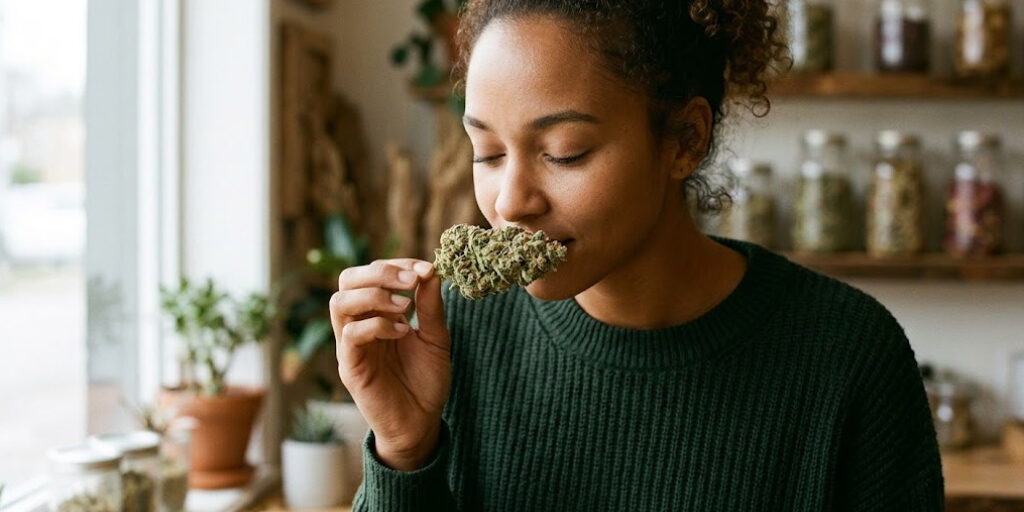
One of the first things many people notice when they open a fresh jar of cannabis is the aroma. Bright citrus, earthy pine, sweet fruit, or sharp fuel notes can fill the room. Over time, however, that distinctive smell often fades. The flower may still look decent and retain much of its potency, yet the vibrant scent that once defined it becomes muted or flat.
This loss of aroma is a natural process driven primarily by the behaviour of terpenes—the volatile compounds responsible for cannabis’s characteristic smells. Understanding why the scent fades can help consumers protect their flower and better evaluate product freshness.
Terpenes: The Source of Cannabis Aroma
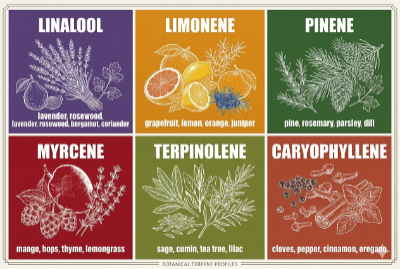 Terpenes are aromatic molecules produced in the trichomes of the cannabis plant, the same resin glands that generate cannabinoids. Different combinations of terpenes create the wide range of scents associated with various cultivars, from limonene’s citrus character to myrcene’s earthy notes or pinene’s fresh pine quality.
Unlike cannabinoids, many terpenes are highly volatile. This means they readily evaporate into the air even at room temperature. Monoterpenes (such as myrcene, limonene, and the pinenes) are especially fragile and tend to dissipate faster than heavier sesquiterpenes. As these compounds leave the flower or chemically change, the overall aroma weakens or shifts.
Evaporation: The Primary Pathway of Aroma Loss
The most straightforward reason cannabis loses its smell is simple evaporation. Terpenes have relatively low boiling points and high vapour pressure, so they continuously move from the plant material into the surrounding air. Every time a container is opened, a portion of these aromatic molecules escapes.
Heat dramatically accelerates this process. Even moderate warmth increases molecular activity and speeds terpene loss. Flower stored in a warm environment or left near a heat source will typically lose its “loud” aroma faster than flower kept cool. This is one reason temperature control matters so much for long-term quality—see our guide on how temperature affects your cannabis experience.
Oxidation Changes the Aroma Profile
 Oxygen exposure does more than allow evaporation—it chemically alters terpenes. When terpenes react with atmospheric oxygen, they form new compounds. Some of these oxidation products have sharper, flatter, or “stale” smells that differ from the original fresh profile.
Repeated opening of jars introduces fresh oxygen, restarting the oxidation process. Half-empty containers are particularly vulnerable because a larger volume of air sits in contact with the flower. Over time, the bright top notes fade and the remaining scent can become duller or less complex.
Light Exposure Speeds Degradation
Light, especially ultraviolet (UV) light, contributes to the breakdown of both terpenes and cannabinoids. Photodegradation can break molecular bonds and accelerate oxidation reactions. Flower stored in clear containers on a sunny windowsill or under strong retail lighting loses aroma faster than flower kept in darkness.
Opaque or UV-blocking packaging helps limit this damage. Many modern cannabis packages are designed with light protection in mind, which is one of the reasons packaging technology continues to improve—explore more in our article on cannabis packaging innovations.
Humidity and Moisture Balance
 Moisture levels also influence aroma retention. When flower becomes too dry, terpenes evaporate more readily and the buds can turn brittle. Excessively dry conditions strip away the volatile compounds that create strong scent. On the other hand, overly humid conditions raise the risk of mould and can encourage undesirable chemical changes.
Maintaining a stable, moderate humidity range supports better long-term preservation of both texture and aroma. Proper storage practices play a major role here, and they also affect overall shelf life—see our post on cannabis shelf life for additional context.
Time and Natural Aging
Even under ideal conditions, cannabis changes with age. Terpene loss is gradual but continuous. Studies and industry observations consistently show measurable declines in monoterpene content over weeks and months of storage. While cooler, darker, and more airtight conditions slow the process, they cannot stop it entirely.
As the most volatile compounds diminish, the remaining aroma often becomes less intense and sometimes less nuanced. This is why fresher flower generally delivers a stronger sensory experience, even when cannabinoid percentages remain relatively stable.
How Handling and Storage Habits Affect Smell
Everyday habits influence how quickly aroma fades:
- Frequent opening of the container releases terpenes and introduces oxygen.
- Warm storage locations (near electronics, in cars, or in sunny rooms) accelerate evaporation.
- Clear or poorly sealed packaging allows more light and air exposure.
- Rough handling can damage trichomes, releasing and exposing terpenes to faster loss.
Simple adjustments—keeping flower in a cool, dark place, minimizing how often the jar is opened, and using airtight, opaque containers—can meaningfully extend the life of the aroma.
Connection to Overall Quality and Experience
Aroma loss is often one of the earliest signs that flower is aging. While potency may decline more slowly, the sensory experience changes first. Reduced terpene content can also make the smoke or vapour feel less flavourful and, in some cases, contribute to a flatter or harsher impression. Related quality issues are discussed in our article on what causes cannabis to taste or burn harsh.
Harvest timing, curing practices, and initial terpene abundance also set the baseline. Flower that starts with a rich terpene profile and is carefully processed will generally retain more character for longer than flower that was already subdued at packaging.
Practical Tips for Preserving Aroma
Consumers can take several steps to slow the loss of smell:
- Store cannabis in a cool, dark location away from direct light and heat sources.
- Use airtight containers and avoid leaving jars open longer than necessary.
- Consider humidity control products designed for cannabis to maintain stable moisture levels.
- Buy amounts you are likely to use within a reasonable timeframe rather than large quantities that will sit for many months.
- Check packaging and, when available, packaging or harvest dates as indicators of relative freshness.
Licensed Canadian producers and retailers already work within regulated systems that emphasize quality and testing. Still, once the product leaves the store, storage conditions largely determine how well the original aroma is preserved.
Final Thoughts
Cannabis loses its smell over time primarily because terpenes are volatile and reactive. Evaporation, oxidation, heat, light, and oxygen exposure all contribute to the gradual fading or alteration of aroma. While the process is natural and unavoidable, good storage practices can significantly slow it down.
A strong scent is one of the most enjoyable aspects of quality flower. By understanding the science behind aroma loss and taking simple protective steps, consumers can enjoy more of that fresh character for longer. The next time you open a jar and notice the smell is not as vibrant as it once was, the causes outlined above will help explain why—and what can be done to protect future purchases.
**This page is intended only for individuals who are of legal age to purchase cannabis in their jurisdiction, and is for informational and educational purposes only. It is not intended to encourage cannabis consumption. No medical or health claims are made. Cannabis should not be used by persons who are pregnant or breastfeeding and may impair concentration, coordination, and reaction time. Do not drive or operate machinery after consumption. Always store cannabis securely**