
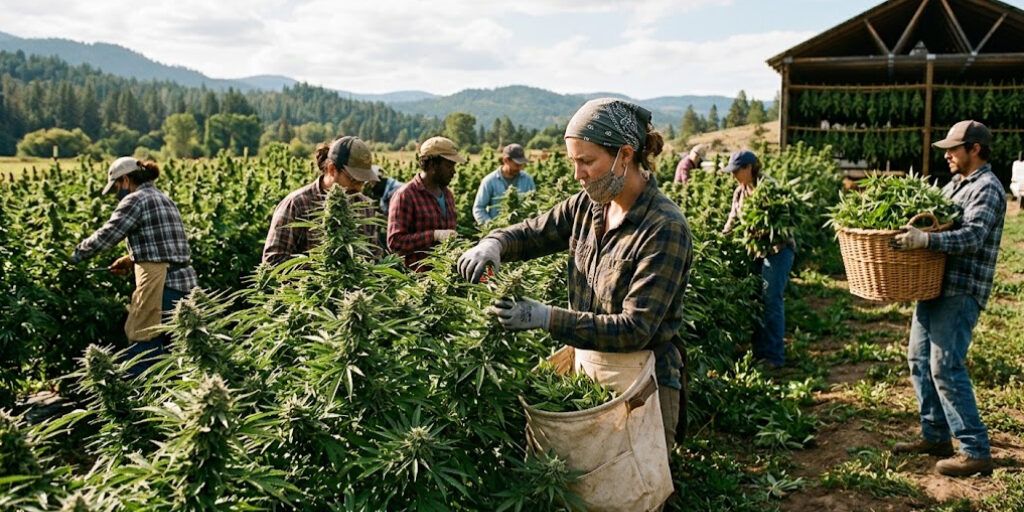
When you pick up a jar of cannabis flower at a licensed retailer, the aroma, flavour, and effects you experience are the result of many factors. Genetics, growing conditions, curing, and storage all play important roles. One of the most critical and often overlooked factors is harvest timing. The exact moment a cultivator decides to cut the plant can significantly influence both the potency of the cannabinoids and the complexity of the terpene profile that delivers flavour and aroma.
Understanding how harvest timing works helps consumers make more informed choices and appreciate why two batches of the same strain can feel and taste noticeably different. In this guide, we’ll explore the science behind harvest windows, how trichomes develop, and what early versus late harvesting means for the final product you purchase.
The Flowering Stage and Cannabinoid Development
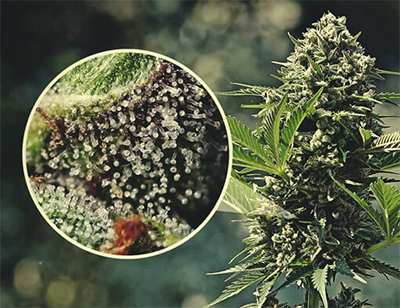 Cannabis plants produce cannabinoids and terpenes primarily in the trichomes—the tiny, crystal-like resin glands that cover the buds and surrounding leaves. These trichomes develop and mature throughout the flowering stage. For a deeper look at plant structure, see our post on the anatomy of a cannabis plant.
During early flowering, trichomes are mostly clear or translucent. At this stage, cannabinoid production is still ramping up. As the plant progresses, trichomes turn cloudy or milky white. This is generally considered the peak window for THC content in many cultivars. Later in the process, a portion of those trichomes begin to turn amber. Amber trichomes indicate that some THC has started converting into CBN (cannabinol), a cannabinoid associated with more sedative effects.
This progression is not just visual—it directly affects the chemical profile of the finished flower. Harvesting too early can mean lower overall potency and a brighter, sometimes sharper flavour profile. Harvesting later often increases the body-focused effects while shifting the terpene balance toward deeper, earthier, or more fermented notes.
How Harvest Timing Influences Potency
Potency is commonly measured by total THC or THC potential (which includes THCA). THCA is the non-intoxicating acid form of THC that converts when heated. You can learn more about this compound in our article on what THCA is.
Most commercial cultivators aim to harvest when the majority of trichomes are cloudy, with a smaller percentage turning amber. This window typically maximizes THC content while still preserving a desirable balance of effects. Harvesting significantly earlier often results in lower THC percentages because the plant has not yet reached peak resin production. The effects may feel more energetic or cerebral, but the overall strength can be reduced.
Conversely, waiting too long allows more THC to degrade into CBN. While this can create a heavier, more relaxing experience that some consumers prefer for evening use, it usually comes with a measurable drop in peak THC levels. In addition, prolonged time on the plant increases the risk of trichome degradation from environmental factors such as light, heat, and humidity.
It’s important to note that potency is not determined by harvest timing alone. Genetics, nutrient management, light intensity, and post-harvest handling all contribute. However, timing remains one of the most controllable variables that directly shapes the final cannabinoid ratios.
Flavour, Aroma, and Terpene Evolution
 While potency often gets the most attention, flavour and aroma are equally influenced by when the plant is harvested. Terpenes—the aromatic compounds responsible for the scent and taste of cannabis—are volatile and change throughout the flowering cycle.
Early in the harvest window, many terpenes are still developing or present in higher concentrations of lighter, more volatile compounds. This can produce brighter, citrusy, piney, or floral notes. As the plant matures further, some of these lighter terpenes begin to degrade or transform, while heavier, more complex compounds become more prominent. The result is often a richer, earthier, spicier, or more “gassy” profile.
For consumers who enjoy sharp, fresh, or fruit-forward flavours, an earlier harvest within the optimal window may deliver a more vibrant sensory experience. Those who prefer deeper, denser, or more sedative aromas may find later-harvested flower more satisfying. This is one reason why the same cultivar can express different flavour characteristics across different producers or even different harvest batches.
Temperature also plays a supporting role after harvest. Improper drying or storage temperatures can accelerate terpene loss. For more on how heat and cold affect cannabis quality, read our guide on how temperature affects your cannabis experience.
Visual and Practical Indicators of Harvest Readiness
Experienced cultivators rely on a combination of visual cues and magnification. Looking at trichomes under a jeweller’s loupe or microscope remains one of the most reliable methods. Clear trichomes signal immaturity, cloudy trichomes indicate peak cannabinoid production for many strains, and amber trichomes suggest a shift toward heavier effects.
Pistils (the hair-like structures on the buds) also provide clues. When a majority have darkened and curled inward, the plant is typically approaching readiness. However, pistil colour alone is less precise than trichome observation because it can be influenced by environmental stress.
Different genetics respond differently to these cues. Some cultivars naturally produce higher ratios of certain terpenes or cannabinoids and may have narrower ideal harvest windows. Understanding the difference between strains and cultivars can provide additional context—see our explanation of cannabis strains vs. cultivars.
Phenotypic variation within the same seed line can also mean that individual plants mature at slightly different rates. This is why many growers evaluate multiple plants or even different sections of the same plant before deciding on a harvest date. Learn more about this concept in our post on cannabis phenotypes.
Early vs. Late Harvest: What Consumers Can Expect
Earlier harvest (mostly cloudy trichomes, minimal amber):
- Higher potential THC levels in many cases
- Brighter, more volatile terpene profiles
- Effects that often feel more uplifting or cerebral
- Aromas that lean citrus, floral, pine, or fresh
Later harvest (increased amber trichomes):
- Slightly lower peak THC with higher CBN
- Deeper, earthier, or more complex flavours
- Effects that tend to feel heavier or more relaxing
- Aromas that can become denser, spicier, or more fermented
Neither approach is universally better. Preference depends on the desired experience. Some consumers specifically seek later-harvested flower for evening use, while others prefer the clarity and flavour brightness of a carefully timed earlier cut.
Post-Harvest Factors Still Matter
Even with perfect harvest timing, the subsequent drying, curing, and storage stages can enhance or diminish the results. Overly rapid drying can lock in chlorophyll and harsh flavours. Insufficient curing may leave the flower tasting grassy. Long-term storage conditions also influence how well potency and terpenes are preserved. For more on longevity, explore our article on cannabis shelf life.
Licensed Canadian producers follow regulated processes designed to maintain consistency and quality. When you purchase from a licensed retailer, you benefit from products that have been tested and handled according to strict standards, regardless of the specific harvest window chosen by the cultivator.
Why This Knowledge Benefits Consumers
Knowing how harvest timing shapes flavour and potency allows you to better interpret product descriptions, lab results, and your own experiences. If a particular batch of a favourite strain tastes brighter or feels lighter than expected, harvest timing may be part of the reason. Conversely, a deeper, more sedative expression of the same genetics could reflect a later cut.
It also highlights the craft involved in commercial cannabis production. Growers must balance multiple variables—weather (for outdoor or greenhouse grows), light cycles, plant health, and market preferences—when deciding the precise day to harvest. Small differences can produce noticeable variations in the final product.
Final Thoughts
Harvest timing is one of the quiet but powerful variables that shapes the cannabis experience. By influencing both cannabinoid ratios and terpene expression, it directly affects potency, effects, flavour, and aroma. While genetics set the foundation, the moment of harvest helps determine how that genetic potential is expressed in the jar.
The next time you explore flower options, consider not only the listed THC percentage and dominant terpenes but also the overall sensory profile. Understanding the role of harvest timing adds another layer of appreciation for the complexity of cannabis and the skill required to bring high-quality products to market.
Whether you prefer bright and energetic or deep and relaxing expressions, there is a harvest window that aligns with your preferences. Exploring different batches and producers is one of the best ways to discover which styles resonate most with you.
**This page is intended only for individuals who are of legal age to purchase cannabis in their jurisdiction, and is for informational and educational purposes only. It is not intended to encourage cannabis consumption. No medical or health claims are made. Cannabis should not be used by persons who are pregnant or breastfeeding and may impair concentration, coordination, and reaction time. Do not drive or operate machinery after consumption. Always store cannabis securely**