
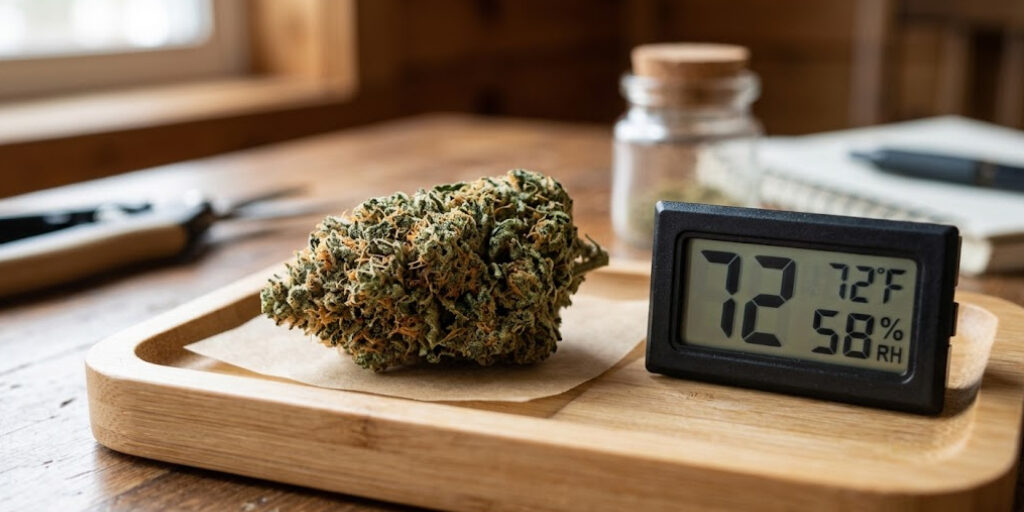
Temperature plays an important role in cannabis, from how flower is stored to how cannabinoids and terpenes behave when cannabis is heated. Whether you’re learning about cannabis chemistry, product storage, or extraction, understanding the relationship between temperature and cannabis can help explain why products can look, smell, and perform differently under different conditions.
Temperature can affect cannabis freshness, terpene preservation, cannabinoid stability, moisture levels, and extraction processes. It is also an important consideration when comparing products such as dried flower, concentrates, vapes, and infused products.
In this guide, we’ll explore how temperature affects cannabis before, during, and after production, as well as how temperature interacts with storage, cannabinoids, terpenes, and different cannabis product categories.
Why Does Temperature Matter for Cannabis?
 Cannabis contains hundreds of naturally occurring compounds, including cannabinoids and terpenes. These compounds can respond differently to environmental conditions.
Temperature can influence:
- Terpene evaporation
- Cannabinoid stability
- Moisture levels
- Texture and consistency
- Extract viscosity
- Product storage stability
For that reason, temperature is an important consideration throughout the cannabis production and distribution process.
For a broader look at cannabis composition, read our guide to Understanding Cannabis Potency.
Temperature and Cannabis Flower
Dried cannabis flower can be particularly sensitive to environmental conditions. Excessive heat can accelerate the loss of volatile compounds, while extremely dry conditions can contribute to moisture loss.
When flower loses too much moisture, it can become brittle and may lose some of its characteristic aroma and flavour.
On the other hand, excessive moisture can create its own quality-control concerns. This is why regulated cannabis products are packaged and stored under controlled conditions.
If you’ve ever wondered why cannabis becomes dry, check out Why Is My Weed Dry?.
Heat and Terpenes
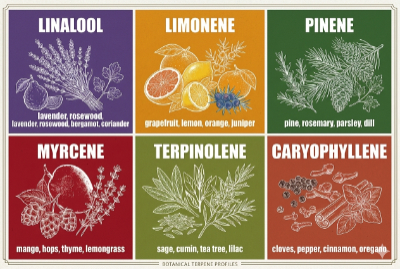 Terpenes are volatile aromatic compounds found naturally in cannabis and many other plants. They contribute significantly to the distinctive aromas and flavours associated with different cannabis cultivars.
Because many terpenes are volatile, elevated temperatures can encourage them to evaporate more quickly.
This means excessive heat during storage can potentially affect the aroma and flavour characteristics of cannabis over time.
Common cannabis terpenes include:
Keeping cannabis away from unnecessary heat is therefore an important part of maintaining product quality.
Temperature and Cannabinoids
Temperature also plays a role in cannabinoid chemistry. Cannabis contains acidic cannabinoids such as THCA and CBDA, which can undergo chemical changes when exposed to heat.
One of the best-known examples is the conversion of THCA into THC through decarboxylation.
Learn more about this process in What Is THCA? Understanding Tetrahydrocannabinolic Acid.
What Is Decarboxylation?
 Decarboxylation is a chemical reaction in which an acidic cannabinoid loses a carboxyl group. In cannabis, heat can facilitate this transformation.
THCA can convert into THC, while CBDA can convert into CBD under appropriate conditions.
This is one reason temperature is so important when cannabis is processed into different product formats.
For additional information about cannabinoids, visit our article What Is Cannabidiol (CBD)?.
Temperature During Cannabis Extraction
Temperature is particularly important during cannabis extraction. Different extraction methods use different conditions to separate cannabinoids, terpenes, and other compounds from cannabis material.
Examples of extraction categories include:
- CO2 extraction
- Ethanol extraction
- Hydrocarbon extraction
- Solventless extraction
Temperature can influence the consistency and composition of the resulting extract. Producers carefully control processing conditions as part of their manufacturing and quality-assurance procedures.
Read our guide CO2 Cannabis Extraction to learn more about one of the industry’s major extraction methods.
Temperature and Rosin Pressing
Temperature is also fundamental to rosin production. Rosin is a solventless concentrate produced using heat and pressure.
During the pressing process, carefully controlled conditions allow resin to separate from the starting material.
Temperature can influence:
- Extract consistency
- Resin flow
- Terpene preservation
- Overall appearance
- Characteristics of the finished rosin
Learn more in Rosin Pressing: How It Works.
Temperature and Cannabis Concentrates
Different cannabis concentrates can respond differently to temperature changes.
For example, concentrates can become softer and more fluid when warmed, while cooler conditions can make them thicker and more solid.
Products such as live resin, rosin, wax, and other extracts can have different textures depending on their formulation and storage conditions.
Temperature fluctuations can also affect the consistency of some concentrates over time.
For more information, read What Is Cold Cured Hash Rosin?.
Temperature and Cannabis Vapes
Temperature is also relevant to cannabis vape products. Vape devices heat cannabis extracts to produce an aerosol that can be inhaled.
Different devices use different heating technologies and temperature controls. The characteristics of the extract can also influence how a product performs.
Storage remains important for vape cartridges and disposable devices because excessive heat can affect the physical properties of the oil and potentially contribute to leakage or other packaging issues.
Why Extreme Heat Isn’t Ideal for Storage
Excessive heat can accelerate chemical and physical changes in cannabis products. Prolonged exposure can contribute to terpene loss and changes in cannabinoid composition.
Heat can also affect packaging materials and the physical consistency of concentrates.
For general cannabis storage, keeping products in a cool, dry location and following the manufacturer’s storage instructions is a sensible approach.
Our article Cannabis Shelf Life: Does Weed Expire? explores how storage conditions can affect cannabis over time.
Should Cannabis Be Refrigerated?
Refrigeration isn’t necessarily required for most cannabis products. In fact, repeatedly moving cannabis between cold and warm environments can create condensation and unwanted moisture.
Instead, consumers should generally follow the storage instructions provided with the specific product.
A stable environment away from excessive heat, direct sunlight, and humidity is generally preferable to frequent temperature fluctuations.
Temperature and Cannabis Packaging
Modern cannabis packaging is designed to protect products from environmental factors during transportation and storage.
Packaging innovations include:
- Airtight containers
- UV-resistant materials
- Humidity-control systems
- Child-resistant closures
- Resealable containers
Temperature-resistant packaging and appropriate storage conditions can work together to help maintain product quality.
Learn more about packaging technology in Cannabis Packaging Innovations.
Temperature and Cannabis Testing
Temperature is one of many variables considered during cannabis production and quality assurance. Licensed producers and processors use controlled procedures to help maintain consistency between batches.
Cannabis products sold through Canada’s regulated market are subject to regulatory requirements, including testing and quality-control measures.
For more information, read How Cannabis Products Are Tested in Canada.
For official Canadian cannabis information, visit Health Canada’s Cannabis resources.
Temperature, Moisture, and Cannabis Freshness
Temperature and humidity are closely connected when it comes to cannabis storage. Changes in temperature can influence moisture movement within a container, particularly when products are moved between significantly different environments.
Maintaining appropriate storage conditions can help preserve the texture and aroma of dried flower.
This is especially relevant for consumers interested in premium cannabis, where terpene preservation and overall product freshness are often important considerations.
Read What Makes Premium Cannabis Worth It? for more information about factors that can influence cannabis quality.
How Temperature Fits Into the Cannabis Experience
Temperature doesn’t act alone. The overall characteristics of a cannabis product are influenced by genetics, cultivation, harvesting, drying, curing, extraction, formulation, packaging, and storage.
For example, two products with similar cannabinoid percentages can have noticeably different aromas and physical characteristics because of differences in terpene composition, processing, and storage.
This is why looking beyond a single number on a cannabis label can provide a better understanding of the product.
For help interpreting product information, visit How to Read a Cannabis Label.
Frequently Asked Questions
Does heat affect cannabis?
Yes. Heat can influence terpene evaporation, cannabinoid stability, moisture levels, and the physical characteristics of cannabis products.
Can heat make cannabis dry?
Prolonged exposure to warm, dry conditions can contribute to moisture loss, potentially making dried cannabis more brittle.
Does temperature affect terpenes?
Yes. Terpenes are volatile compounds, and elevated temperatures can increase their evaporation over time.
Does temperature affect THC?
Heat can facilitate the conversion of THCA into THC through decarboxylation. Temperature and exposure time both influence this chemical process.
What is the best way to store cannabis?
Follow the manufacturer’s storage recommendations and generally keep cannabis in its original packaging, away from excessive heat, direct sunlight, and excessive humidity. Cannabis products should also be kept securely away from children and pets.
Final Thoughts
Temperature is an important part of cannabis chemistry and product quality. From the conversion of THCA into THC to terpene preservation, extraction, rosin pressing, concentrate consistency, and long-term storage, temperature influences cannabis at many stages of its lifecycle.
For consumers, the most important takeaway is that cannabis is sensitive to its environment. Avoiding excessive heat, direct sunlight, and significant temperature fluctuations can help preserve the characteristics of cannabis products during storage.
As Canada’s regulated cannabis industry continues to develop, better understanding the science behind temperature, cannabinoids, terpenes, extraction, and packaging can help consumers make more informed decisions.
For more cannabis education, product guides, and industry information, visit the Grand Cannabis Cannabis Corner.
Important: This article is for educational purposes only. Cannabis products should only be purchased from authorized retailers and used in accordance with applicable Canadian laws and product labeling.
**This page is intended only for individuals who are of legal age to purchase cannabis in their jurisdiction, and is for informational and educational purposes only. It is not intended to encourage cannabis consumption. No medical or health claims are made. Cannabis should not be used by persons who are pregnant or breastfeeding and may impair concentration, coordination, and reaction time. Do not drive or operate machinery after consumption. Always store cannabis securely**