
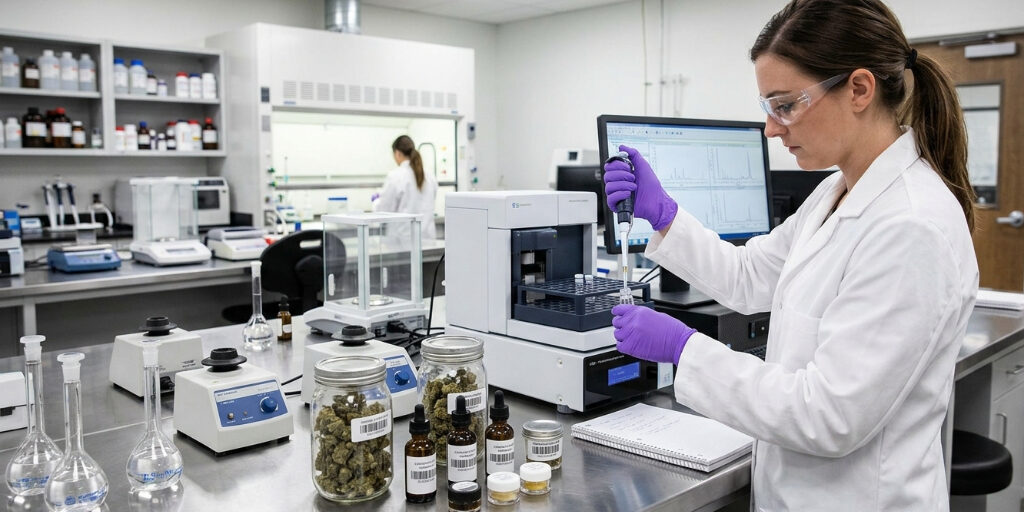
One of the biggest advantages of purchasing cannabis from a licensed retailer in Canada is knowing that products are subject to strict regulatory requirements. Before cannabis products can reach store shelves, they must undergo a variety of tests to help ensure quality, consistency, and compliance with federal regulations.
Whether you’re purchasing dried flower, pre-rolls, edibles, beverages, concentrates, or cannabis oils, testing plays a critical role in the legal cannabis industry. But what exactly gets tested, who performs the testing, and why is it important?
In this guide, we’ll explore how cannabis products are tested in Canada and what consumers should know about the process.
Why Cannabis Testing Matters
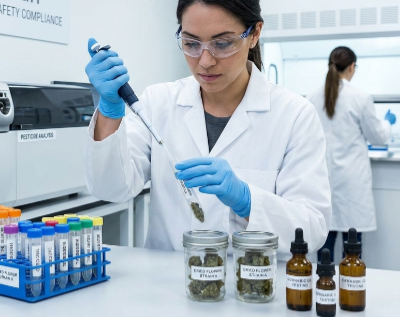 Cannabis testing helps licensed producers verify the quality and consistency of their products while meeting Health Canada regulations.
Testing helps provide information about:
- Cannabinoid content
- Terpene profiles
- Microbial contamination
- Pesticide residues
- Heavy metals
- Product stability
Consumers rely on accurate testing results to make informed purchasing decisions and compare products across brands.
If you’re interested in understanding product labels, check out our article on How to Read a Cannabis Label: Potency, Batch Info & Terpene Profiles.
The Role of Health Canada
Canada’s legal cannabis industry is regulated by Health Canada under the Cannabis Act and Cannabis Regulations.
Licensed producers must follow strict requirements regarding cultivation, manufacturing, packaging, testing, and distribution.
Health Canada establishes standards that cannabis companies must meet before products can be sold through provincial distributors and licensed retailers.
You can learn more about cannabis regulations in our article Navigating Ontario’s Cannabis Laws: What’s Legal, What’s Changing, and What It Means for You.
Cannabinoid Testing
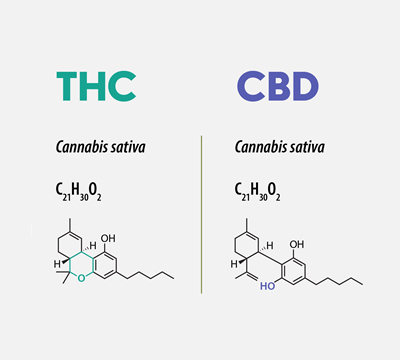 One of the most familiar aspects of cannabis testing is cannabinoid analysis.
Laboratories test products to determine levels of cannabinoids such as:
- THC (Tetrahydrocannabinol)
- CBD (Cannabidiol)
- CBG (Cannabigerol)
- CBC (Cannabichromene)
- CBN (Cannabinol)
These results are used to generate the cannabinoid percentages and milligram values that appear on product packaging.
Understanding cannabinoid content helps consumers compare products and make informed choices.
Learn more in our guides:
- Understanding Cannabis Potency
- What Is Cannabidiol (CBD)?
- What Are Minor Cannabinoids? (CBG, CBC, CBN)
Terpene Testing
Many cannabis products are also tested for terpene content.
Terpenes are aromatic compounds naturally found in cannabis and many other plants. They contribute to the aroma and flavour characteristics of cannabis products.
Common terpenes include:
Terpene testing helps producers identify the dominant aromatic compounds within a product and allows consumers to compare flavour profiles.
Microbial Testing
Cannabis products are also screened for microbial contamination.
Testing may include analysis for:
- Yeast
- Mold
- Bacteria
- Other microorganisms
This testing helps verify that products meet regulatory requirements and quality standards before entering the legal marketplace.
Pesticide Screening
Licensed cannabis producers must comply with strict pesticide regulations.
Laboratories test cannabis products for a wide range of pesticide residues to verify compliance with Health Canada requirements.
Only approved pest control products may be used during cultivation, and products must meet strict standards before being released for sale.
Heavy Metal Testing
Cannabis plants naturally absorb compounds from their growing environment, including minerals and metals present in soil and water.
Testing may screen for heavy metals such as:
- Lead
- Arsenic
- Cadmium
- Mercury
Heavy metal testing helps ensure products meet established regulatory thresholds.
Moisture Content Testing
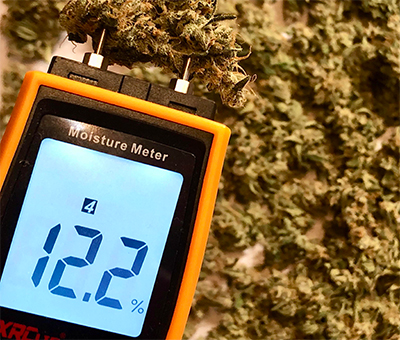 Moisture content plays an important role in dried cannabis quality.
Excessive moisture can affect storage stability, while overly dry cannabis may impact aroma, flavour, and texture.
Testing helps producers evaluate product consistency and maintain quality standards.
You may also enjoy these related articles:
Residual Solvent Testing
For cannabis concentrates and extracts, laboratories may perform residual solvent analysis.
Some extraction methods use solvents during production. Testing verifies that products meet applicable standards and that residual solvent levels remain within regulatory limits.
This is especially relevant for products such as:
- Live resin
- Shatter
- Wax
- Distillates
- Vape extracts
Testing Cannabis Edibles and Beverages
Cannabis edibles and beverages undergo testing as well.
Testing may include:
- Cannabinoid verification
- Microbial analysis
- Ingredient consistency
- Product stability
Accurate cannabinoid testing is particularly important because edible products must comply with strict federal limits.
Learn more in:
Batch Testing and Quality Assurance
Cannabis testing is typically performed on batches rather than individual products.
Licensed producers maintain quality assurance programs that include sampling, laboratory analysis, record keeping, and compliance verification.
Batch testing helps ensure consistency across production runs and supports regulatory compliance.
How Testing Results Appear on Packaging
Consumers often see testing results reflected directly on cannabis packaging.
Information may include:
- Total THC percentage
- Total CBD percentage
- THC mg/g values
- CBD mg/g values
- Package date
- Lot number
This information helps consumers compare products and understand what they are purchasing.
The Future of Cannabis Testing in Canada
As Canada’s cannabis industry continues to mature, testing technology continues to evolve.
Future developments may include:
- Expanded cannabinoid profiling
- More detailed terpene reporting
- Improved stability testing
- Advanced contaminant screening
- Enhanced quality assurance protocols
As consumer interest grows, producers and laboratories continue working toward greater transparency and product consistency.
Final Thoughts
Cannabis testing plays a vital role in Canada’s regulated cannabis industry. Through cannabinoid analysis, terpene testing, microbial screening, pesticide detection, heavy metal testing, and quality assurance programs, licensed producers work to ensure products meet federal requirements before reaching consumers.
For cannabis shoppers, understanding how products are tested provides valuable insight into product labels, quality standards, and the regulatory framework that supports Canada’s legal cannabis market.
Whether you’re purchasing flower, concentrates, edibles, beverages, or tinctures, testing helps provide the information needed to make informed decisions.
For more cannabis education, product guides, and industry insights, visit the Grand Cannabis Cannabis Corner.
**This page is intended only for individuals who are of legal age to purchase cannabis in their jurisdiction. It is not intended to encourage cannabis consumption. No medical or health claims are made. Cannabis should not be used by persons who are pregnant or breastfeeding and may impair concentration, coordination, and reaction time. Do not drive or operate machinery after consumption. Always store cannabis securely**