
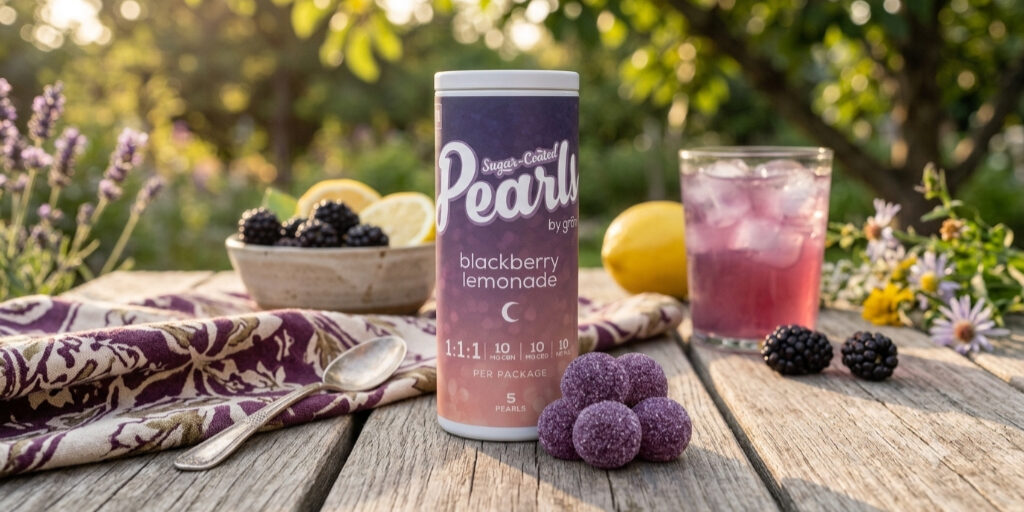
Cannabis gummies have become one of the most popular edible products in Canada, offering a convenient and flavourful way for consumers to enjoy cannabis. From fruity flavours to precise dosing, gummies have transformed the cannabis edible market by combining familiar candy experiences with carefully measured cannabis extracts.
But have you ever wondered what goes into making cannabis gummies? The process involves much more than simply adding cannabis oil to a candy recipe. Licensed cannabis producers use specialized equipment, precise formulations, and strict quality-control procedures to create consistent products that meet Canadian cannabis regulations.
In this guide, we’ll explore how cannabis gummies are made, from cannabis extraction and ingredient selection to manufacturing, testing, and packaging.
What Are Cannabis Gummies?
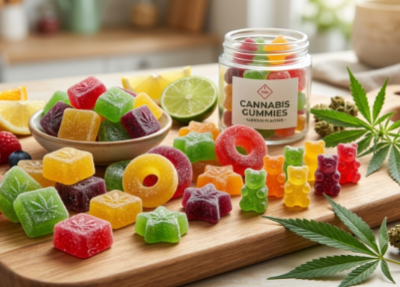 Cannabis gummies are edible cannabis products made by infusing a gummy candy base with cannabis extracts. Unlike traditional gummies found in stores, cannabis gummies are produced under strict regulations to ensure accurate cannabinoid content and proper labeling.
Most cannabis gummies contain either:
- THC: The primary psychoactive cannabinoid found in cannabis.
- CBD: A non-intoxicating cannabinoid commonly used in cannabis products.
- Balanced THC/CBD formulas: Products containing both cannabinoids in specific ratios.
The final product typically includes ingredients such as gelatin or pectin, sweeteners, flavouring agents, colouring, cannabis extract, and other components needed to create the desired texture and taste.
Step 1: Creating Cannabis Extract
The first step in making cannabis gummies is producing a cannabis extract. Licensed producers begin with cannabis flower or other cannabis materials that contain cannabinoids and aromatic compounds.
Through specialized extraction methods, producers separate the desired compounds from the plant material. Common extraction techniques include:
- CO₂ extraction: Uses carbon dioxide under controlled conditions to extract cannabinoids from cannabis.
- Ethanol extraction: Uses food-grade ethanol to remove cannabinoids from the plant material.
- Hydrocarbon extraction: Uses specific solvents to create concentrated cannabis extracts.
The extracted cannabis oil is then refined and tested to determine cannabinoid levels. This allows manufacturers to create gummies with accurate THC and CBD amounts.
Step 2: Preparing the Gummy Formula
Once the cannabis extract is ready, manufacturers create the gummy mixture. This process is similar to making traditional gummy candies, but with additional steps to properly incorporate cannabis extracts.
The gummy base usually contains:
- Sweeteners such as sugar or alternative sweeteners
- Gelatin or pectin for texture
- Water
- Natural or artificial flavours
- Food colouring
- Cannabis extract
Many cannabis gummies use pectin instead of gelatin, making them suitable for consumers looking for plant-based options.
Step 3: Adding Cannabis Extract
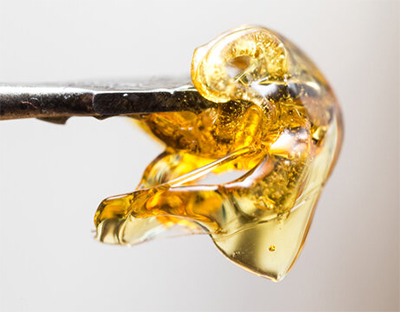 One of the most important parts of gummy production is evenly distributing the cannabis extract throughout the mixture. Cannabinoids do not naturally mix well with water-based ingredients, so manufacturers use specialized techniques to create a consistent product.
Producers often use emulsification technology to help cannabis extracts blend evenly into the gummy mixture. This helps ensure that each gummy contains a consistent amount of cannabinoids.
Proper mixing is essential because uneven distribution could result in gummies with inconsistent cannabinoid levels.
Step 4: Molding the Gummies
After the gummy mixture has been prepared and infused, it is poured into molds to create the final shapes. Cannabis gummies can come in a wide variety of shapes, sizes, and colours depending on the product design.
The molds are filled using specialized equipment that allows manufacturers to produce large quantities while maintaining consistency.
After filling, the gummies go through a cooling and setting process. This allows the gelatin or pectin to firm up and create the chewy texture consumers expect.
Step 5: Finishing and Coating
Once gummies have set, they may go through additional finishing steps. Some gummies receive a sugar coating, while others may have an oil coating designed to prevent sticking.
Manufacturers carefully control these finishing processes to maintain product quality and appearance.
The gummies are then inspected to ensure they meet production standards before moving on to testing.
Step 6: Cannabis Product Testing
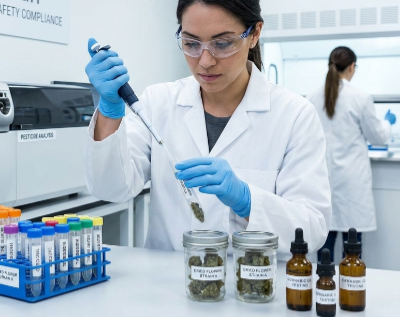 Before cannabis gummies can be sold in Canada, they must go through laboratory testing. Licensed cannabis products are tested to verify cannabinoid levels and ensure they meet regulatory requirements.
Testing may include:
- Cannabinoid potency testing
- Microbial testing
- Contaminant screening
- Quality-control checks
Testing helps ensure that cannabis gummies are accurately labeled and meet the standards required for legal cannabis products in Canada.
Step 7: Packaging Cannabis Gummies
Packaging is another important part of cannabis gummy production. Cannabis packaging in Canada must follow strict regulations designed to provide important product information and help prevent accidental access.
Cannabis gummy packages typically include:
- Total THC and CBD amounts
- Ingredient information
- Batch information
- Required cannabis symbols and warnings
- Production details
Once packaged, cannabis gummies are distributed through licensed retailers across Canada. Here is a link to learn more about how to read a cannabis label.
What Makes Cannabis Gummies Different From Regular Gummies?
Although cannabis gummies may look similar to regular candy, the manufacturing process is much more controlled. Cannabis edible producers must account for cannabinoid extraction, accurate dosing, testing requirements, and strict packaging rules.
Traditional candy production focuses primarily on flavour, texture, and appearance. Cannabis gummy production adds additional considerations to ensure the cannabis extract is properly incorporated and the final product meets regulatory standards.
Why Are Cannabis Gummies So Popular?
Cannabis gummies have grown in popularity because they offer a discreet and convenient option for cannabis consumers. They are easy to store, portable, and available in a wide variety of flavours and formats.
Many consumers also appreciate the variety of options available, including different cannabinoid combinations, flavours, and product strengths.
Frequently Asked Questions About Cannabis Gummies
Are cannabis gummies made the same way as regular gummies?
Cannabis gummies use many similar ingredients as traditional gummies, but they require additional steps for cannabis extraction, infusion, testing, and regulated packaging.
How do manufacturers make sure each gummy has the same amount of THC?
Licensed producers use precise manufacturing processes, careful mixing techniques, and laboratory testing to help ensure consistent cannabinoid levels throughout a batch.
Are all cannabis gummies made with THC?
No. Some cannabis gummies contain CBD only, while others contain THC or a combination of cannabinoids.
Where can I buy cannabis gummies in Ontario?
Cannabis gummies are available through licensed cannabis retailers across Ontario, including Grand Cannabis locations throughout the province.
AGCO Disclaimer: Cannabis products are only available to adults of legal age. Product availability, promotions, and purchase limits may vary. Please consume responsibly and follow all applicable cannabis regulations in Ontario.
Final Thoughts
The process of making cannabis gummies combines food manufacturing techniques with advanced cannabis technology. From extracting cannabinoids and creating the perfect gummy texture to laboratory testing and compliant packaging, every step is carefully managed to create a consistent cannabis edible product.
Whether you are new to cannabis edibles or an experienced consumer, understanding how cannabis gummies are made provides a better appreciation for the quality, testing, and craftsmanship behind these popular products.
**This page is intended only for individuals who are of legal age to purchase cannabis in their jurisdiction, and is for informational and educational purposes only. It is not intended to encourage cannabis consumption. No medical or health claims are made. Cannabis should not be used by persons who are pregnant or breastfeeding and may impair concentration, coordination, and reaction time. Do not drive or operate machinery after consumption. Always store cannabis securely**