
If you’ve spent any time browsing flower menus or talking with seasoned cannabis consumers, you’ve probably heard the term “gassy”. It’s used to describe strains that smell like diesel, fuel, skunk, rubber, or even motor oil. But what actually causes that unmistakable gas aroma?
Is it just terpenes? Is it THC content? Or is there something more complex happening inside the plant?
In this guide, we’ll break down the real science behind gassy cannabis strains, explain why they’re especially popular in Canada, and help you understand what to look for if you’re chasing that loud, fuel-forward profile.
What Does “Gassy” Mean in Cannabis?
 When cannabis is described as gassy, it usually refers to a bold, pungent aroma that can include notes of:
- Diesel or gasoline
- Skunk or sulfur
- Rubber or chemicals
- Sharp earth and spice
Gassy strains are often described as “loud”, meaning the smell is strong even before grinding. These aromas tend to linger and are usually associated with potent effects and heavy-hitting cultivars.
The Role of Terpenes in Gassy Strains
Terpenes are aromatic compounds found in cannabis (and many other plants) that give strains their unique scent and flavor profiles. While no single terpene smells exactly like gasoline on its own, certain combinations are strongly associated with gassy strains.
Key Terpenes Commonly Found in Gassy Cannabis
- Myrcene – Earthy, musky, and herbal; often forms the base of gassy aromas
- Caryophyllene – Peppery and spicy; adds sharpness and bite
- Limonene – Citrus-forward, but can amplify fuel-like sharpness when combined with sulfur compounds
- Humulene – Woody and earthy, reinforcing heavy aromas
It’s not just the presence of these terpenes—it’s their ratio and interaction that creates that unmistakable gas profile. You can learn more about how cannabinoids and terpenes work together in our guide to understanding cannabis potency.
The Missing Piece: Volatile Sulfur Compounds (VSCs)
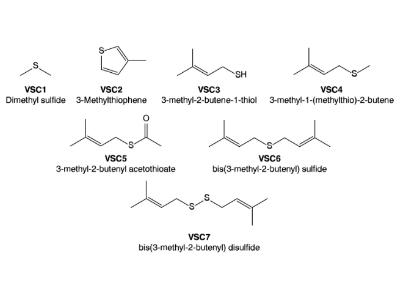 For years, terpenes were thought to be the sole reason cannabis smells the way it does. However, newer research has identified a group of compounds called volatile sulfur compounds (VSCs) as a major contributor to gassy and skunky aromas.
These compounds are present in extremely small amounts but have a massive impact on smell. The human nose is highly sensitive to sulfur-based aromas, which is why even trace amounts can dominate a strain’s scent.
Why Sulfur Compounds Matter
- They create diesel, skunk, and fuel-like aromas
- They intensify “loudness” even at low terpene percentages
- They are often lost when cannabis is over-dried or poorly stored
This explains why some flower with modest terpene numbers can still smell incredibly gassy, while others with higher terpene percentages fall flat.
Genetics: Why Some Strains Are Naturally Gassier
Genetics play a huge role in whether a strain develops a gassy aroma. Many of today’s fuel-forward cultivars trace their lineage back to legendary strains such as:
- Chemdawg
- Sour Diesel
- OG Kush
- Tuna strains (a Canadian classic)
These genetics are more likely to produce sulfur compounds alongside terpene profiles that support fuel-like aromas. That’s why strains like Gas Mask, Pink Kush, and various Diesel crosses consistently deliver that punchy smell.
If you’re curious why tuna strains dominate Canadian menus, this genetic foundation is a big reason.
Does THC Content Make a Strain Gassier?
Short answer: no.
THC itself is odorless. While gassy strains are often potent, the smell comes from terpenes and sulfur compounds—not THC percentage. In fact, some lower-THC flower can smell louder than high-THC options if the aromatic compounds are well preserved.
This is why chasing THC numbers alone can be misleading. Flavor, aroma, and overall experience depend on much more than potency.
Growing, Drying & Curing: Where Gas Is Won or Lost
Even with perfect genetics, a strain can lose its gassy edge if it’s not grown and handled properly.
Factors That Preserve Gassy Aromas
- Proper nutrient balance during flowering
- Slow, controlled drying
- Extended curing at stable humidity levels
- Minimal machine trimming
Rushing the drying process or overdrying flower can cause volatile compounds to evaporate, leaving cannabis that looks good but smells muted.
This also explains why premium craft brands often command higher prices—they invest more time and care into post-harvest handling.
Why Gassy Strains Are So Popular in Canada
Canadian cannabis culture has long favored bold, heavy-hitting profiles. Gassy strains are often associated with:
- Strong, long-lasting effects
- Dense, resinous buds
- Classic indica or indica-leaning experiences
For many consumers, gas equals quality. A loud aroma signals freshness, proper curing, and strong genetics—all things experienced shoppers look for.
How to Spot a Truly Gassy Strain Before You Buy
Want to improve your odds of finding real gas? Keep these tips in mind:
- Check terpene listings for myrcene and caryophyllene
- Look for lineage tied to Diesel, Kush, or Chemdawg
- Ask budtenders about aroma strength, not just THC
- Choose brands known for proper curing and freshness
If you’re shopping vape products and wondering why flavor sometimes falls short, storage and hardware also play a role. Our article on why vapes clog and how to fix it explains how airflow and heat can affect terpene delivery.
Final Thoughts: Gas Is More Than Just a Smell
A gassy cannabis strain is the result of complex chemistry, quality genetics, and careful cultivation. It’s not something that can be faked with high THC numbers or flashy packaging.
When you crack open a jar and that fuel aroma hits instantly, you’re smelling a perfect storm of terpenes, sulfur compounds, and preservation done right.
Understanding what creates that gas not only makes you a more informed consumer, it helps you choose better cannabis every time.