
When most people think about cannabis, two cannabinoids usually come to mind: THC and CBD. THC is known for its psychoactive effects, while CBD is widely recognized for its potential wellness benefits. However, cannabis plants contain over 100 different cannabinoids, many of which are gaining attention for their unique properties. These lesser-known compounds are often referred to as minor cannabinoids.
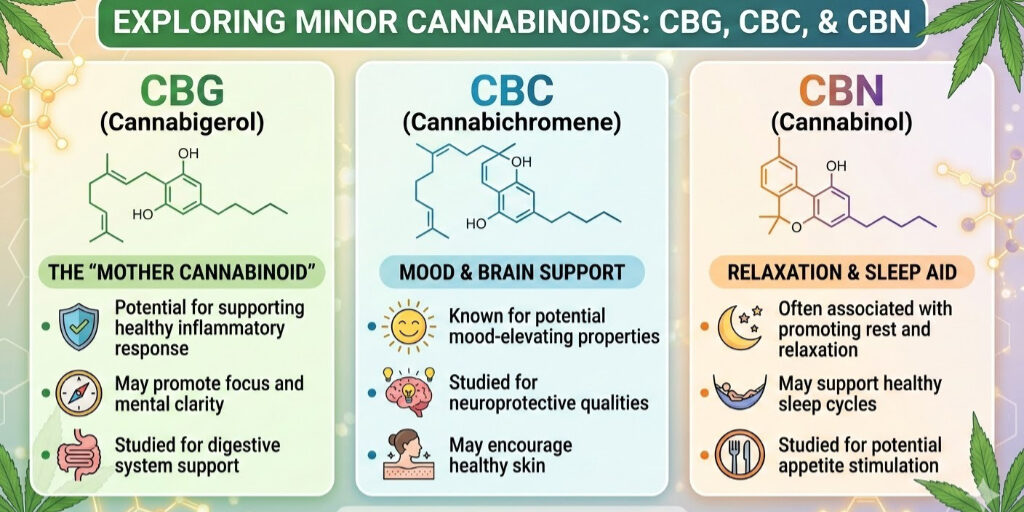
Among the most talked-about minor cannabinoids today are CBG (Cannabigerol), CBC (Cannabichromene), and CBN (Cannabinol). While they appear in smaller amounts in most cannabis plants, researchers and consumers alike are beginning to explore how these compounds may contribute to the overall cannabis experience.
If you’re curious about how cannabinoids work together, you may also want to read our guide on Understanding Cannabis Potency, which explains how different compounds influence effects.
What Are Cannabinoids?
 Cannabinoids are naturally occurring chemical compounds found in the cannabis plant. These compounds interact with the body’s endocannabinoid system (ECS), a network of receptors that helps regulate processes such as mood, sleep, appetite, and pain response.
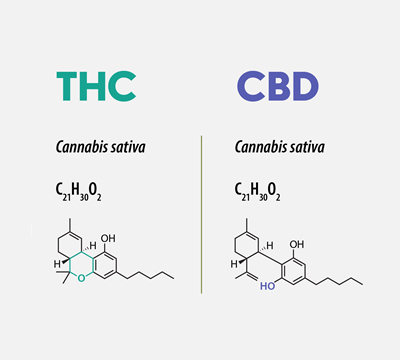
The two most abundant cannabinoids in cannabis are:
- THC (Tetrahydrocannabinol) – the primary psychoactive compound.
- CBD (Cannabidiol) – a non-intoxicating cannabinoid known for potential wellness uses.
Beyond these major cannabinoids lies a wide variety of minor cannabinoids that appear in smaller concentrations but may still play an important role in how cannabis products work.
Why Minor Cannabinoids Matter
Even though they are present in smaller quantities, minor cannabinoids may significantly influence the effects of cannabis through what is known as the entourage effect. This concept suggests that cannabinoids, terpenes, and other plant compounds work together synergistically to create a more complex experience than any single compound alone.
As cannabis extraction and breeding techniques improve, producers are now able to isolate or enhance certain minor cannabinoids, leading to new product types such as CBG oils, CBN gummies, and balanced cannabinoid formulas.
CBG: The “Mother Cannabinoid”
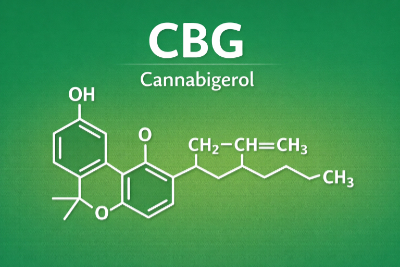 Cannabigerol (CBG) is often called the “mother cannabinoid” because many other cannabinoids originate from its acidic precursor, CBGA (cannabigerolic acid). During the plant’s growth cycle, enzymes convert CBGA into THCA, CBDA, and CBCA—the precursors to THC, CBD, and CBC.
Because most CBGA gets converted into other cannabinoids as the plant matures, only small amounts of CBG remain in fully developed cannabis plants. This makes CBG relatively rare compared to THC or CBD.
Potential Benefits of CBG
Although research is still ongoing, early studies suggest CBG may have interesting properties, including:
- Potential anti-inflammatory effects
- Possible antibacterial activity
- Support for focus and clarity
- Potential appetite stimulation
Many users report that CBG produces a clear-headed, uplifting effect that pairs well with daytime activities.
Products containing CBG are becoming more common, especially in oils, capsules, and vape cartridges.
CBC: The Underappreciated Cannabinoid
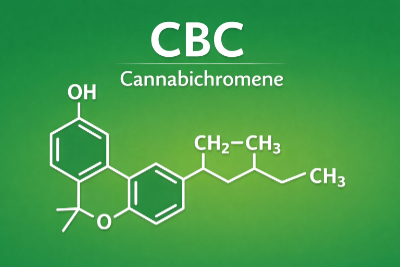 Cannabichromene (CBC) is another naturally occurring cannabinoid found in cannabis. Although it was discovered in the 1960s, it has historically received far less attention than THC or CBD.
CBC is non-intoxicating, meaning it does not produce the “high” typically associated with cannabis. However, researchers believe it may contribute to the entourage effect when combined with other cannabinoids.
Potential Benefits of CBC
Preliminary research suggests CBC may offer several potential benefits, including:
- Anti-inflammatory properties
- Possible mood-enhancing effects
- Support for skin health
- Potential neuroprotective qualities
CBC may also interact with different receptor sites than THC and CBD, making it a fascinating area for ongoing cannabis research.
Although CBC products are less common, it frequently appears in full spectrum extracts and high-quality cannabis flower.
CBN: The Sleep-Associated Cannabinoid
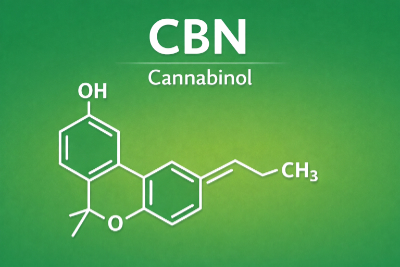 Cannabinol (CBN) forms when THC slowly breaks down through exposure to oxygen and light. This process occurs naturally as cannabis ages.
Because of this relationship with THC degradation, older cannabis flowers often contain higher levels of CBN.
CBN is mildly psychoactive but far less potent than THC. It has gained popularity in recent years because of its association with relaxation and sleep support.
Potential Benefits of CBN
Consumers often turn to CBN products for their calming properties. Some potential effects may include:
- Promoting relaxation
- Supporting sleep cycles
- Mild pain relief
- Anti-inflammatory properties
Many cannabis brands now produce CBN-infused gummies, oils, and capsules designed specifically for nighttime use.
If you’re interested in cannabis edibles and how they work, check out our article on The Strongest Edibles in the Canadian Market.
How Minor Cannabinoids Appear in Cannabis Products
Minor cannabinoids can appear in cannabis products in a few different ways:
1. Full-Spectrum Products
Full-spectrum cannabis products contain a wide range of cannabinoids and terpenes from the original plant. These products often include trace amounts of CBG, CBC, and CBN alongside THC and CBD.
2. Broad-Spectrum Formulas
Broad-spectrum products may contain several cannabinoids but often remove THC while retaining others.
3. Isolated Cannabinoids
Advancements in extraction technology now allow producers to isolate specific cannabinoids such as CBG or CBN for targeted products.
The Future of Minor Cannabinoids
As cannabis science continues to evolve, minor cannabinoids are expected to play an increasingly important role in the industry.
Breeders are already developing cannabis strains with higher concentrations of CBG and other rare cannabinoids. Meanwhile, extraction companies are experimenting with new formulations that highlight specific cannabinoid combinations.
In the coming years, we may see cannabis products tailored for very specific effects, such as focus, relaxation, sleep support, or mood enhancement—powered by precise cannabinoid profiles.
Final Thoughts
While THC and CBD still dominate the cannabis conversation, minor cannabinoids like CBG, CBC, and CBN are becoming increasingly important in understanding the full potential of the cannabis plant.
These compounds may contribute to the entourage effect and provide unique experiences that go beyond traditional cannabis products.
As research expands and product innovation continues, minor cannabinoids are likely to become a major focus for both cannabis consumers and producers.
If you’re interested in learning more about cannabis science, products, and reviews, explore more educational articles on the Grand Cannabis Corner blog.
**This page is intended only for individuals who are of legal age to purchase cannabis in their jurisdiction. It is not intended to encourage cannabis consumption. No medical or health claims are made. Cannabis should not be used by persons who are pregnant or breastfeeding and may impair concentration, coordination, and reaction time. Do not drive or operate machinery after consumption. Always store cannabis securely**