

Cannabis cultivation is an art that requires careful consideration of growing methods, nutrients, and environmental conditions. One of the most significant decisions growers face is whether to grow organically or use synthetic fertilizers and nutrients. Both approaches have their benefits and drawbacks, and the right choice depends on factors like sustainability, yield, potency, and overall plant health.
In this article, we’ll explore the differences between organic and synthetic growing methods, their advantages and disadvantages, and which method might be better suited for your cannabis cultivation goals.
Understanding Organic Cannabis Cultivation
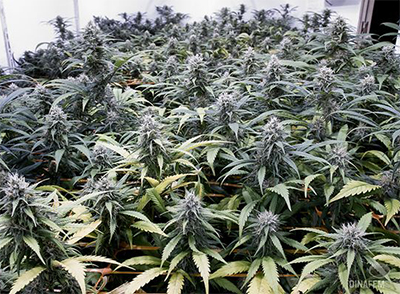 Organic growing focuses on using natural inputs, such as compost, manure, and organic amendments, to nourish cannabis plants. This method prioritizes soil health, beneficial microbes, and sustainability.
Benefits of Organic Cannabis Cultivation
- Better Flavor and Aroma – Many cannabis connoisseurs argue that organically grown cannabis has richer flavors and more pronounced terpenes. Since organic growing focuses on natural nutrients and microbial life, the plants develop a full spectrum of natural compounds.
- Environmentally Friendly – Organic growing minimizes the use of synthetic chemicals, reducing runoff pollution and improving soil health. Many organic growers use regenerative farming techniques that enhance soil fertility over time.
- Healthier Soil and Plants – Organic methods support a thriving soil ecosystem filled with beneficial bacteria, fungi, and other microorganisms. This improves plant resilience, making them more resistant to pests and diseases.
- Smoother Smoke and Consumption – Some users find that organic cannabis produces a smoother smoke, as it lacks residual chemical fertilizers and pesticides often found in synthetically grown plants.
Challenges of Organic Cannabis Cultivation
- Slower Growth and Lower Yields – Organic methods can take longer to break down and provide nutrients to plants. As a result, some growers experience slower growth and slightly lower yields compared to synthetic methods.
- More Labor-Intensive – Organic growing requires more hands-on management, including composting, brewing organic teas, and maintaining healthy soil life.
- Nutrient Imbalances – It can be challenging to ensure that plants receive the exact nutrients they need at different growth stages, as organic amendments release nutrients slowly over time.
Understanding Synthetic Cannabis Cultivation
 Synthetic growing relies on commercially produced fertilizers and nutrient solutions to deliver precise amounts of nitrogen (N), phosphorus (P), and potassium (K), as well as other essential minerals, directly to the plant roots.
Benefits of Synthetic Cannabis Cultivation
- Faster Growth and Higher Yields – Synthetic nutrients are readily available to plants, allowing for accelerated growth and larger harvests. This is particularly beneficial for commercial growers looking to maximize production.
- Precision Feeding – With synthetic fertilizers, growers can control exactly how much of each nutrient the plants receive, reducing the risk of deficiencies or imbalances.
- Easier to Use – Many synthetic nutrient solutions are pre-mixed and formulated for different growth stages, making them easy to use even for beginners.
- Reduced Risk of Pests and Mold – Organic materials can sometimes attract pests or promote mold growth if not properly managed. Synthetic growing reduces this risk by eliminating organic matter from the soil.
Challenges of Synthetic Cannabis Cultivation
- Environmental Impact – Synthetic fertilizers contribute to soil degradation, water pollution, and greenhouse gas emissions. Runoff from synthetic fertilizers can harm aquatic ecosystems.
- Potential for Nutrient Burn – Because synthetic nutrients are so concentrated, it’s easy to overfeed plants, leading to nutrient burn and potential crop loss.
- Less Natural Terpene Development – Some cannabis consumers believe that synthetically grown cannabis has a less complex terpene profile compared to organic cannabis, resulting in weaker flavors and aromas.
- Dependence on Chemical Inputs – Unlike organic growing, which builds long-term soil health, synthetic cultivation relies on continuous nutrient inputs to sustain plant growth.
Which Growing Method is Better for Cannabis?
Best for Quality and Flavor: Organic
If you prioritize flavor, aroma, and overall cannabis experience, organic cultivation is generally preferred. The complex soil ecosystem and natural nutrients promote better terpene development, resulting in richer, more aromatic buds.
Best for High Yields: Synthetic
If maximizing yield and fast growth are your top priorities, synthetic growing may be the better choice. The precise nutrient availability ensures plants grow quickly and produce dense, high-yielding buds.
Best for Sustainability: Organic
Organic methods promote long-term soil health, reduce chemical runoff, and support sustainable farming practices. If environmental impact is a concern, organic cultivation is the way to go.
Best for Commercial Production: Synthetic
For large-scale growers focused on efficiency and consistency, synthetic nutrients offer better control over plant nutrition and maximize profitability.
Hybrid Approaches: The Best of Both Worlds
Some growers combine both organic and synthetic methods to balance the benefits of each. For example:
- Living Soil with Supplemental Nutrients – Growers use organic soil enriched with microbes but supplement with synthetic nutrients when needed.
- Organic Amendments with Hydroponics – Some hydroponic growers introduce organic inputs like compost teas or microbial inoculants to enhance plant health.
Final Thoughts
Choosing between organic and synthetic cannabis growing depends on your goals as a cultivator. If you value rich flavors, environmental sustainability, and natural growing processes, organic is the way to go. If you seek high yields, rapid growth, and precise nutrient control, synthetic cultivation may be the better option.
Ultimately, both methods can produce high-quality cannabis when done correctly. Many growers experiment with different techniques to find what works best for them. Whichever method you choose, understanding its pros and cons will help you grow healthier, more potent cannabis plants.