

Since the legalization of recreational cannabis in Canada, Ontario has developed a comprehensive framework to regulate how cannabis is produced, distributed, sold, and consumed. These regulations are designed to prioritize public safety, restrict youth access, and ensure that legal cannabis products meet strict quality and labeling standards.
This guide breaks down how cannabis is regulated in Ontario, who oversees it, how retail stores operate, and what consumers should know when purchasing legal cannabis. For a broader overview of cannabis laws across the country, see our guide to navigating Ontario’s cannabis laws.
Federal vs. Provincial Cannabis Regulation
 Cannabis regulation in Ontario operates under a shared responsibility model between the federal and provincial governments.
The federal government, through Health Canada, regulates:
- Cannabis production and cultivation
- Licensing of producers and processors
- Product safety, testing, and packaging standards
- National possession limits
The province of Ontario is responsible for:
- Wholesale distribution of cannabis
- Retail licensing and oversight
- Rules for consumption and public use
- Minimum age requirements
This division ensures consistent national standards while allowing provinces to tailor retail and distribution systems to their local needs.
The Legal Age for Cannabis in Ontario
In Ontario, the legal age to purchase, possess, and consume recreational cannabis is 19 years old. This aligns cannabis with alcohol and tobacco laws in the province.
Retailers are required to verify age using valid government-issued photo ID. Selling or providing cannabis to anyone under 19 is illegal and can result in serious penalties for both individuals and businesses.
Who Regulates Cannabis Retail in Ontario?
Two main provincial bodies oversee cannabis retail in Ontario:
Alcohol and Gaming Commission of Ontario (AGCO)
 The AGCO is responsible for licensing and regulating cannabis retail stores and retail store managers. This includes:
- Issuing retail store authorizations
- Ensuring compliance with advertising and promotion rules
- Conducting inspections and enforcement
Ontario Cannabis Store (OCS)
 The OCS acts as Ontario’s exclusive legal wholesaler and online retailer. All licensed cannabis stores must purchase their products from the OCS, ensuring a controlled and traceable supply chain.
Cannabis Retail Store Rules
Ontario cannabis retailers must follow strict operational guidelines. These rules help ensure cannabis is sold responsibly and transparently.
Key retail regulations include:
- No visible cannabis or accessories from outside the store
- No consumption allowed inside retail locations
- No promotional giveaways or inducements
- Limited exterior signage and branding
Retailers must also maintain accurate inventory tracking and ensure staff are trained in responsible sales practices.
Product Packaging and Labeling Requirements
All legal cannabis products sold in Ontario must comply with Health Canada’s packaging and labeling regulations. These rules are designed to reduce appeal to youth and clearly communicate product information.
Packaging requirements include:
- Child-resistant containers
- Plain packaging with limited branding
- Mandatory health warnings
- Clear THC and CBD content labeling
Understanding labels can be confusing for new consumers. Our guide on understanding cannabis labels breaks it down in simple terms.
Possession Limits in Ontario
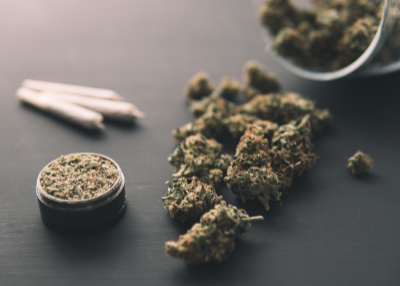 Adults 19 and older can legally possess up to 30 grams of dried cannabis (or equivalent) in public. This limit is set federally and applies across all provinces.
At home, there is no specific limit on how much legal cannabis an adult can store, provided it was purchased from a legal source and stored securely away from youth.
Exceeding possession limits in public can result in fines or additional penalties.
Where Cannabis Can Be Consumed
Ontario generally follows the same rules for cannabis consumption as tobacco smoking, with some exceptions.
Cannabis consumption is typically:
- Allowed in private residences
- Allowed in some outdoor public spaces
- Prohibited in enclosed public spaces and workplaces
- Prohibited near schools and playgrounds
Municipalities may introduce additional restrictions, so it’s important to check local bylaws.
Driving and Cannabis Laws
Driving under the influence of cannabis is illegal in Ontario. Law enforcement can conduct roadside testing, and penalties can include license suspension, fines, or criminal charges.
Ontario has zero-tolerance rules for certain drivers, including:
- Drivers under 21
- Commercial drivers
- Novice drivers
Home Growing Rules
Ontario residents are permitted to grow up to four cannabis plants per household for personal use, regardless of how many adults live in the home.
Plants must be grown from legal seeds or seedlings purchased from the OCS or a licensed retailer. Landlords and condo boards may restrict or prohibit home cultivation through lease agreements or bylaws.
Why Regulation Matters
Cannabis regulation in Ontario exists to protect consumers, reduce illegal market activity, and ensure that products meet strict safety standards. By purchasing from licensed retailers, consumers benefit from lab-tested products, accurate labeling, and regulated supply chains.
Legal regulation also supports public education, responsible use initiatives, and ongoing research into cannabis.
Final Thoughts
Ontario’s cannabis regulations strike a balance between access and accountability. From federal production standards to provincial retail oversight, the system is designed to keep cannabis legal, controlled, and transparent.
Staying informed about these rules helps consumers make responsible decisions and ensures compliance with the law. For more cannabis education, industry insights, and legal guides, visit the Cannabis Corner at Grand Cannabis.